

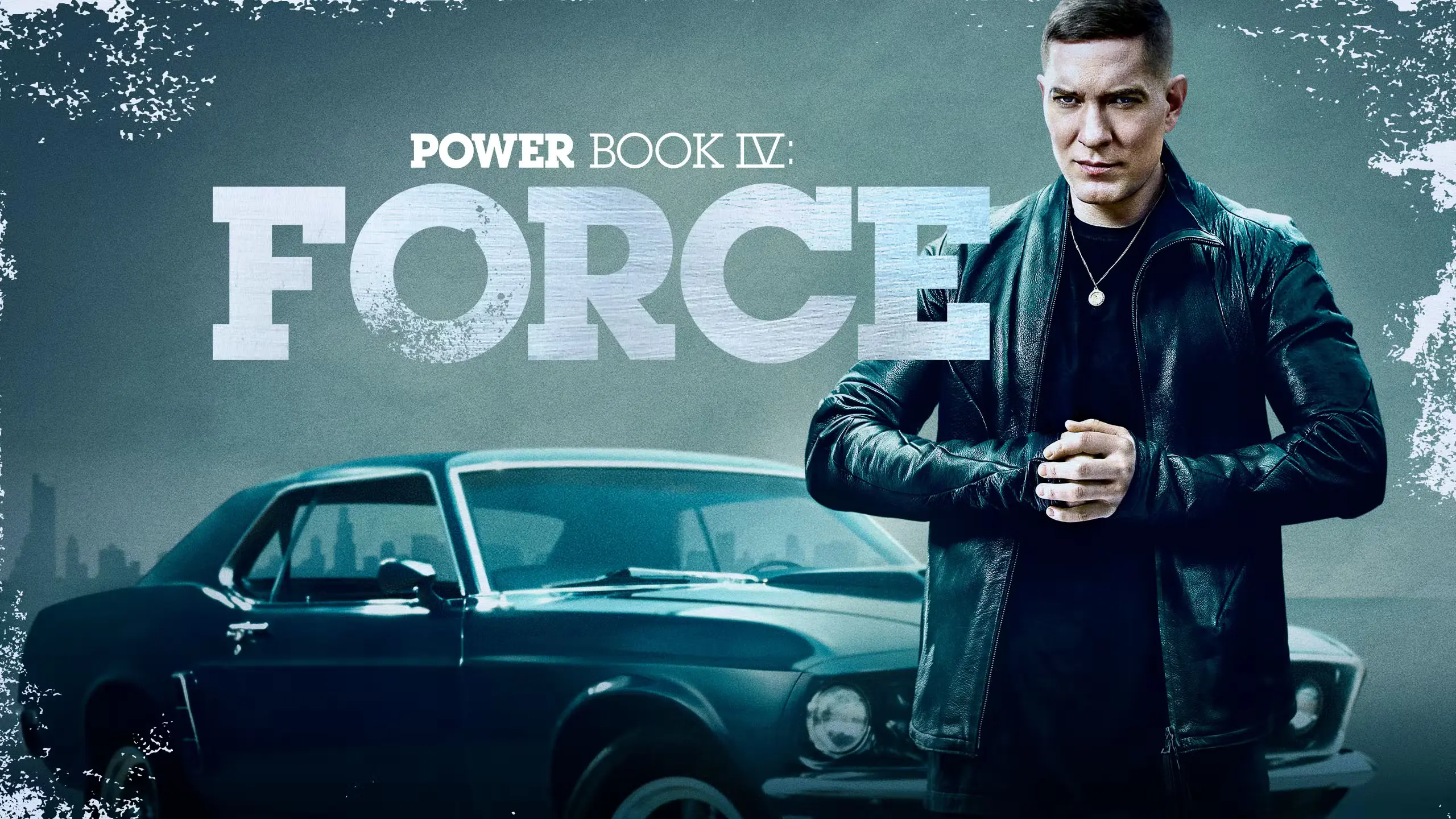
In the thrilling world of Starz’s hit series, Power Book IV: Force, the anticipation continues to build as the show secures its place in the spotlight with the recent announcement of its renewal for a highly-anticipated third season. As fans eagerly await the next chapter of this gripping saga, we had the privilege of catching up with the talented film and television editor, Jacques Gravett, ACE, to gain insights into his work on Season 2 and learn how he feels about the exciting news of Season 3.
Gravett, whose expert editing skills have played a pivotal role in shaping the intense narrative of Power Book IV: Force, expressed his fervor for the series and the creative process behind it. Delving into the challenges and triumphs of editing a show that continues to captivate audiences with its intricate plotlines, compelling characters, and intense drama, Gravett along with viewers, enthusiastically await the show’s next season developments.
Reflecting on Season 2, Gravett shared his thoughts on the evolution of the characters and story arcs, offering a behind-the-scenes look at the meticulous editing decisions that contribute to the show’s success. From pulse-pounding action sequences to poignant character moments, Gravett’s work has been integral in bringing the world of Power Book IV: Force to life on the small screen.
As the announcement of Season 3 reverberates through the industry and thrills fans worldwide, Gravett expressed his gratitude for the opportunity to be part of such a groundbreaking series. “Being involved in Power Book IV: Force has been an incredible journey,” he remarked. “The storytelling, the characters, and the energy of the entire team make it a truly collaborative and rewarding experience.”

How did you become involved in the editing process for Power Book IV: Force? Can you tell us about your journey to this project?
I didn’t work on season one, but I got a call that they were looking for new editors on season two and the show runner was Gary Lennon, someone I knew. We had a meeting and he told me he had taken over for season two. Crime dramas are always fun to edit and it’s a genre I’m very experienced with having edited FX’s TV series The Shield, which is where I originally met Gary.
Editing plays a crucial role in shaping the narrative of a series. What unique challenges did you face when editing a series like Power Book IV: Force, known for its intense storytelling and complex characters?

The unique challenge I faced on this series was actually one I have faced before, and that is coming onto a show that has already been established. Therefore, it’s about making sure I’m up to speed with character development and previous story lines. Watching all the episodes from season one was of course the starting point. However, I also jumped back to early seasons of the series Ghost just to look at how Tommy’s character started out. I felt that might give me an advantage and make my job a little easier.
The show features intense action sequences and dramatic moments. Can you share some insights into the creative choices you made to maintain the show’s suspense and impact through editing?
I had some very fun action scenes during season two of Force. Editorially, I love to subliminally set up the logistics of what is about to go down before the action jumps off. Cutting action is fun – but a challenge – and the first thing I do is to really study the dailies closely in order to begin to formulate how I would like the scene to look. I will make notes or use locators to mark key moments. I always go for the best performance and build from there. Once I do begin editing, on the first pass I try to do it as quickly as possible without overthinking it. It is typically not a cut I’ll show anybody. Then I start adding and refining the scene from there. I won’t add any sound effects or music until I’m happy with the structure and the scene can actually play without all of that.
Sound and music are significant elements in any television series. How did you collaborate with the sound team and composer when editing to enhance the overall viewer experience?
That was probably the easiest collaboration I’ve ever had. Just a few months before I joined Force, I was busy cutting a TV pilot that ended up using Force’s music team. I didn’t know when I was working on the pilot that I was going to later be working on Force. While on Force, conversations with the music team were easy to have because I frequently asked for various music elements that I was in need of. They have a vast library of and we had the season one score to use a temp. That helped me take a lot of the guesswork out of what was right for the scene. As far as collaborating with sound that typically comes into play once we have locked picture and then again at the rerecording and final mix. Our sound team elevates everything I do and helps give the episode/show a life of its own.
Editing often involves making tough decisions about what to keep and what to cut. Are there any memorable scenes or moments that you had to edit differently than originally planned, and what was the reasoning behind those decisions?
That jaw-dropping scene in the season finale was emotionally hard to cut and creatively challenging. In the script it was written a very specific way but was not a terribly long scene. However, when it was shot it became much bigger in scope. There was a lot of footage shot for the scene with multiple camera set-ups. Once I received the dailies I spent most of the day just watching all the takes. It felt like I was cutting a movie. I ended up cutting a really action-packed and engaging scene that the director loved. However, the decision was later made by the producers to trim down the scene significantly. I had to make some tough editorial decisions because there were so many great elements to the scene. However that’s my job and the scene still turned out well. The episode is so good that the producers felt it was more advantageous to let some of the other important scenes play a little longer. I think it all worked out.
Power Book IV: Force has a strong narrative and character-driven story. How did you ensure that the pacing of the series kept viewers engaged and invested?

I believe the writers make sure the stories adhere to the aesthetic of the franchise so that’s half the battle right there. Generally, I don’t have to be too stylistic when editing on this show. I prefer to cut when I want the audience to receive a different piece of information or I when need to protect the actor. That’s how I try to keep the audience engaged in the story.
Were there any specific editing techniques or tools that you found particularly useful in bringing the world of Power Book IV: Force to life on the screen?
I just trust my instincts and communicate with the writers, producers, directors, and the post production team as necessary.
The series has been praised for its storytelling twists and turns. How did you balance maintaining suspense while ensuring that the narrative remained coherent through editing?

I think that comes from being a fan of the cinema. I grew up watching all kinds of movies and television. Many of those images and stories stayed with me. So, no matter what I’m cutting I can pretty much relate it to something I have seen before and use that as my point of reference. That makes cutting suspense easier. I don’t have to start with a blank page. I have the film/footage to watch and often times that dictates what will happen. I just have to put it together so it makes sense for the audience.
What specific scenes or episodes are you particularly proud of from an editing perspective and what made them stand out for you?
I was fortunate to edit four of the ten episodes shot this season. I got to open the season and close it as well. They were each unique episodes and I had fun working on all them all. I feel the season 2 finale, which is episode 10, is a special one because all the storylines for the whole season finally come together.
How does your experience editing Power Book IV: Force compare to other projects you’ve worked on, and how has it influenced your approach to editing in general?

Creatively, Force compares to when I edited the TV series The Shield. People tuned into that series to watch the bad guy who happened to be a cop. Similar thing on Force people tune in to watch the bad guy. Tommy’s character is not a nice dude but Joseph Sikora is so good in his role you want to watch to find out what he’s going to do next. I think editing this show has helped me keep my action cutting skills sharp.
I like the fact that we don’t have to deal with commercial breaks and I can cut each episode like a one-hour movie. It has influenced my approach to editing by reminding me I’m part of a collective of really talented people and we all want the same thing that is to make the best possible show we can while entertaining the audience. After all it’s show business.


